Uncategorized
-
The mushaira and the novel end with the the word of God just as they had started, remembering the bygone era in all its lost glory. Drawing upon the living memories the book blends fact and fiction seamlessly keeping alive the high culture of old Dilli. Conscious of the decline and defeat of the cultural…
-
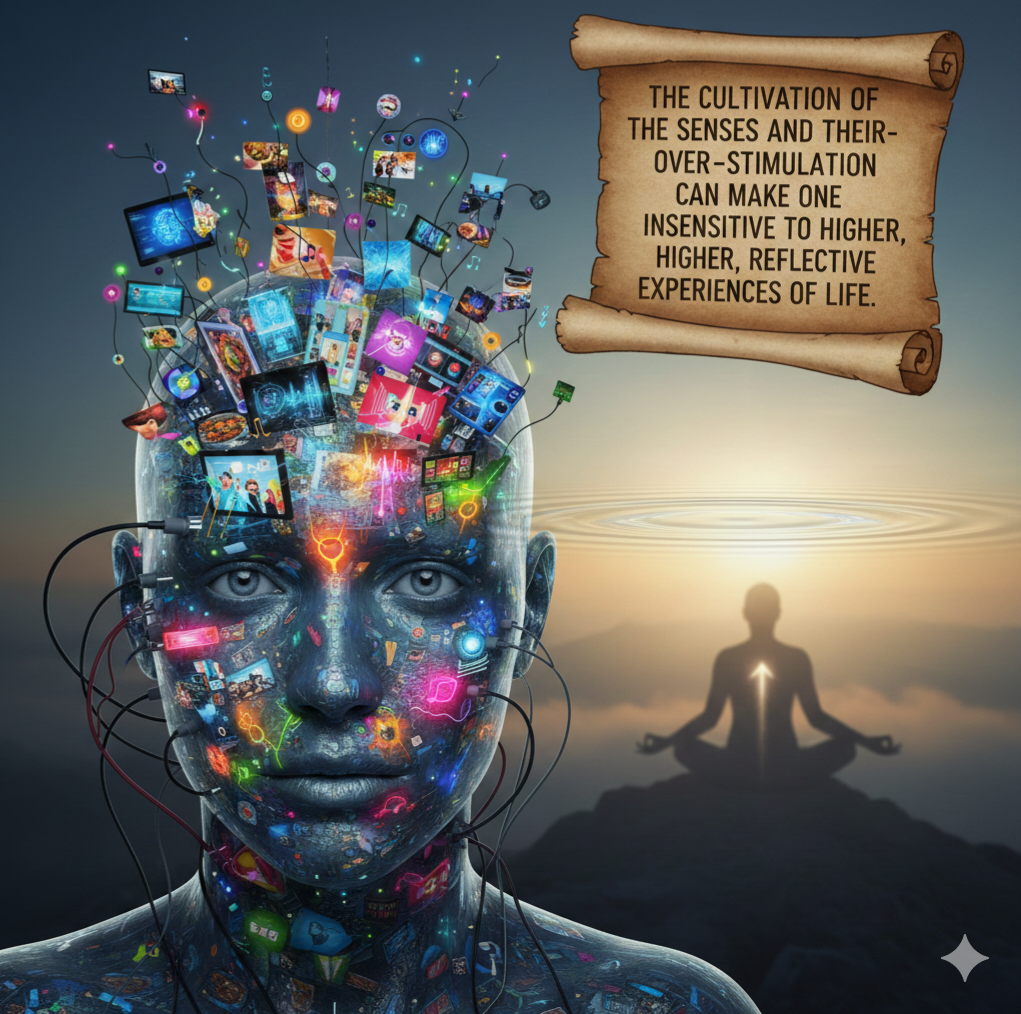
I looked outside the window at the patches of snow that had hardly managed to cover a few twigs on a nearby walnut tree. Depth, nuance and reflection were like these few patches- rare, fragile and fleeting against the flouroscent tyrrany of performative chaos. I turned off the app to let the feed roar on…
-
Love is the greatest mystery of life that defies all analysis and shames all questions. Like life, it is indescribable and an attempt to define it is as baffling as defining life itself . Questions demand boundaries love refuses them, queries seek limit and love finds its way where limits dissolve, mind draws circles and…
-
The homeless man writes with a coherence of genuine disorientation, not the incoherent orientation of a poet. He scribbles with the authentic confusion of someone who looked too deeply into the mirror and can no longer distinguish between the image and void behind it.
-
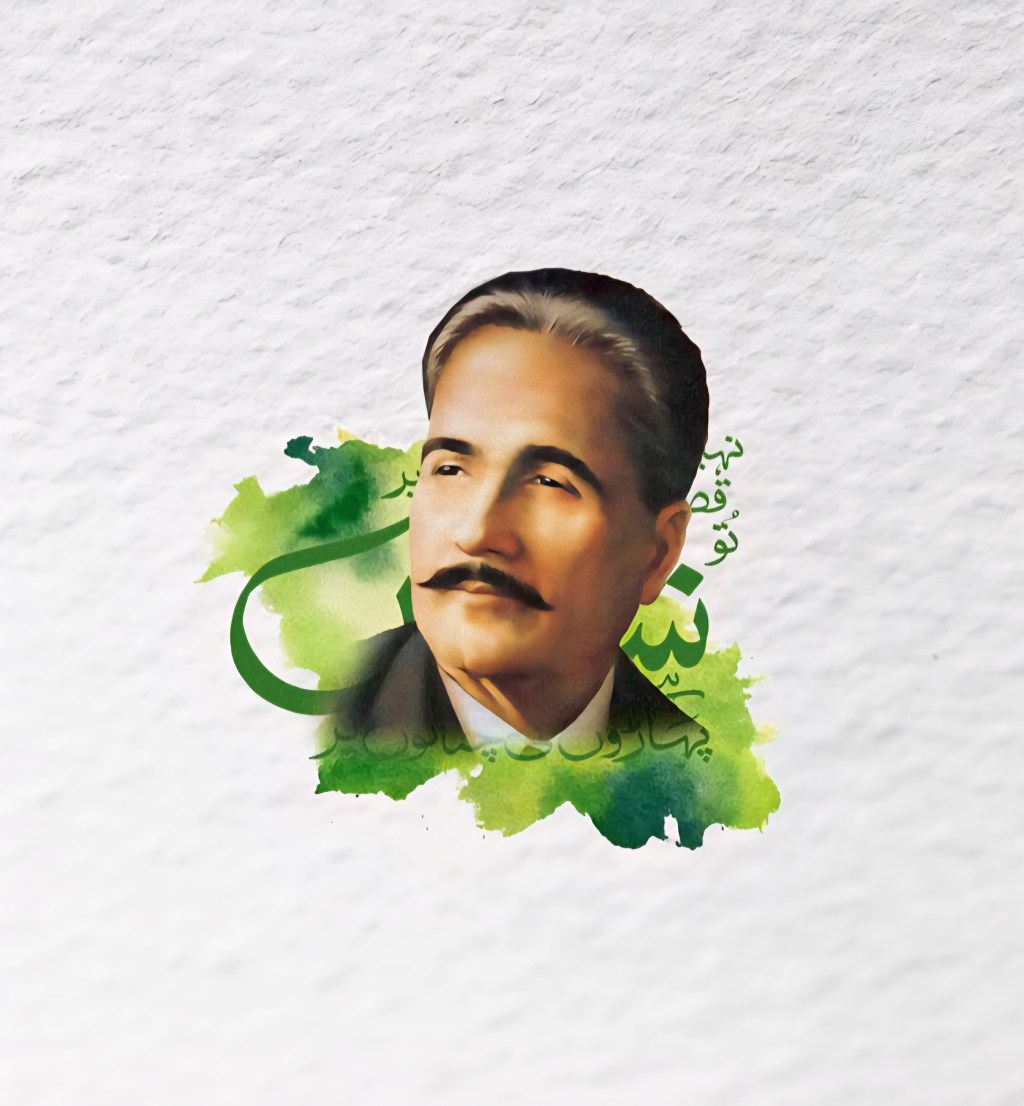
Iqbal’s critique of nationalism remains strikingly relevant in our contemporary world. His warning about nationalism’s tendency toward “competitive nationalism and its resultant militarism, imperialism and consumerism” anticipated many of the conflicts that have plagued the modern world, like the ongoing Gaza genocide, where territorial allegiances have weighed heavily over the supra-territorial ethical and moral responsibilities…
-
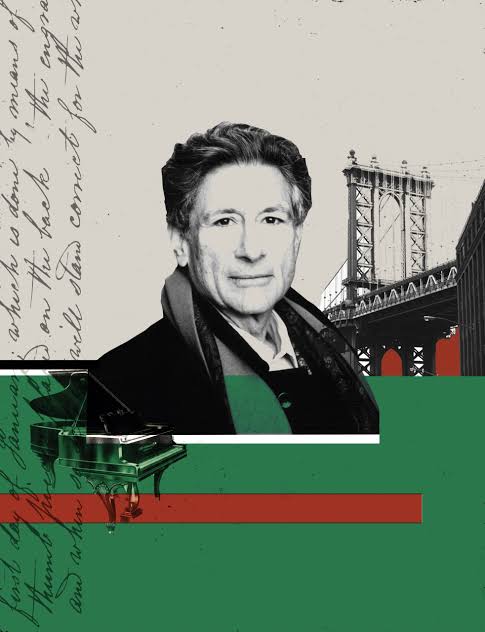
Darwish refers to multitudes of identity that made up Said. He did not belong to a single place; his personality was sometimes a rich tapestry and other times a ragged canvas, woven with elements of Palestine, the US, and Cairo; shaped by his identity as a Palestinian Christian, an Arab, and an American academia, all…
-
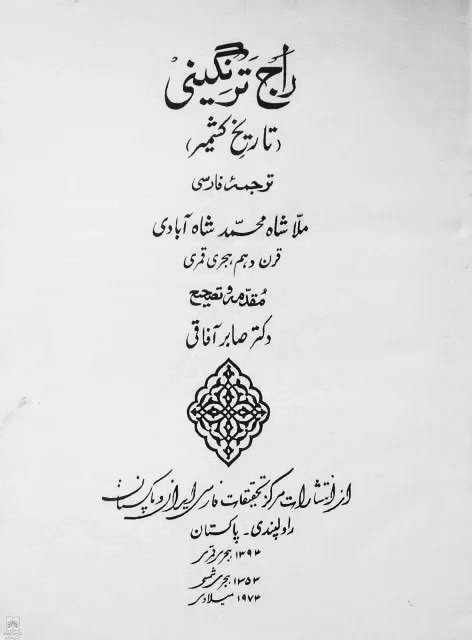
With Persian becoming the court language, a new breed of functionaries was brought to fore who chose Persian over Kashmiri and Sanskrit to stay in the echelons of power. Even though there were mass conversions in Kashmir, and contrary to the popular belief, it were the Kashmiri Brahmans and a few elite Muslims who became…
-
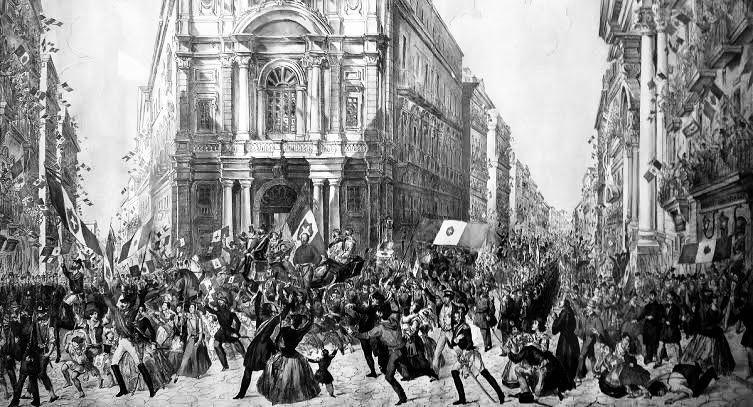
Orwell (1953) explained, “Because of nationalism we tend to divide the world into an “us” and “them”; terms like “freedom fighter” and “terrorist” become secondary to our own national sympathies; and a form of moral relativism prevails”
 The K-Blog