
In the heart of the historical Amira Kadal lies a ‘flea Market’ which is less about fleas and more about the colours: of toys, fabrics and sometimes of life.
Spanning nearly a kilometre, the market is crowded with kiosks and makeshift shops, offering an impressive array of goods: clothing and jewellery (mostly imitation), antique furnishings, everyday household items, artwork, hand-crafted shawls and carpets, and much else besides, making it almost impossible to leave empty-handed and even if one does, the heart departs fuller than it arrived.
The market provides an extraordinary, almost a mystical glimpse into the ever enchanting dreams of thousands of those bound to it, directly or indirectly. The vendors and their customers come from every stratum of Kashmiri society: the students and their teachers, doctors and bankers, politicians and clerks, labourers and wanderes- each carrying into the market a fragment of their private and intimate world, briefly laid bare amid the noise of trade.
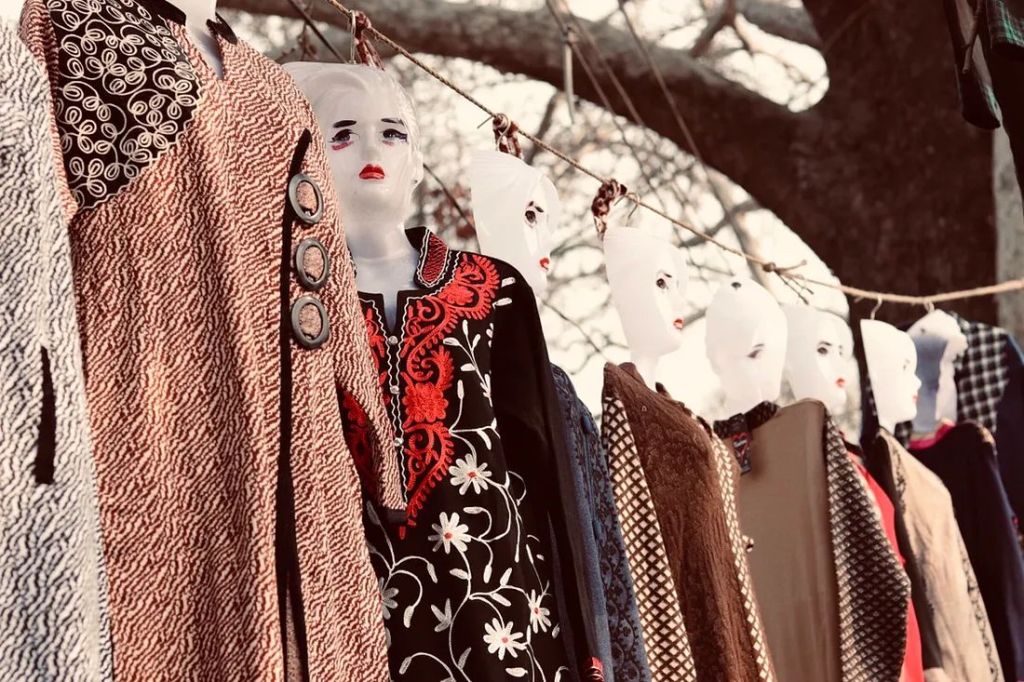
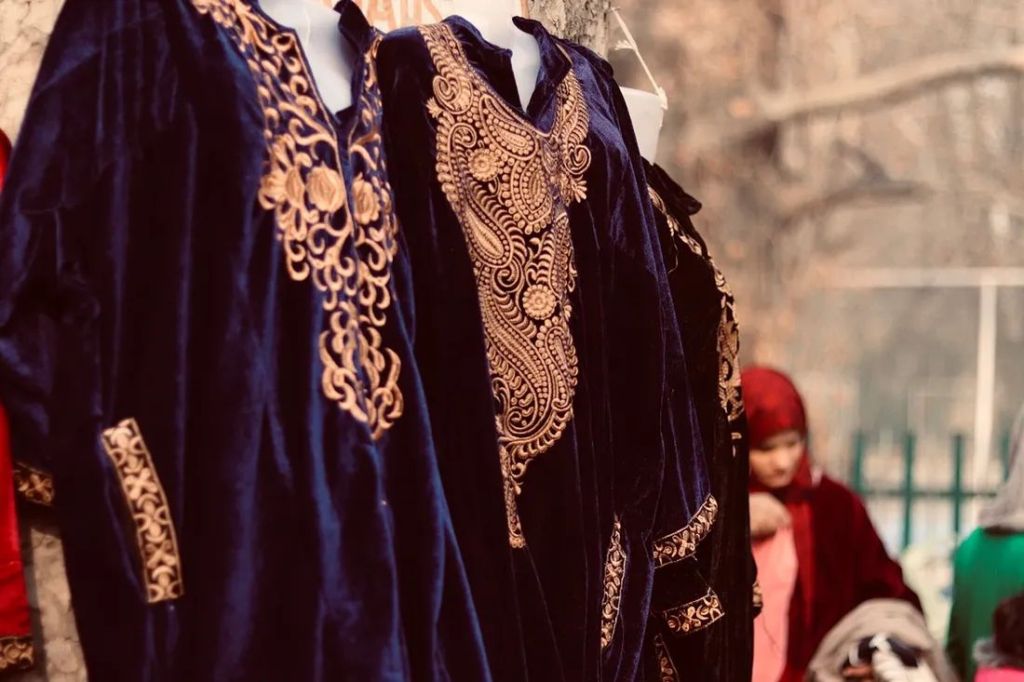
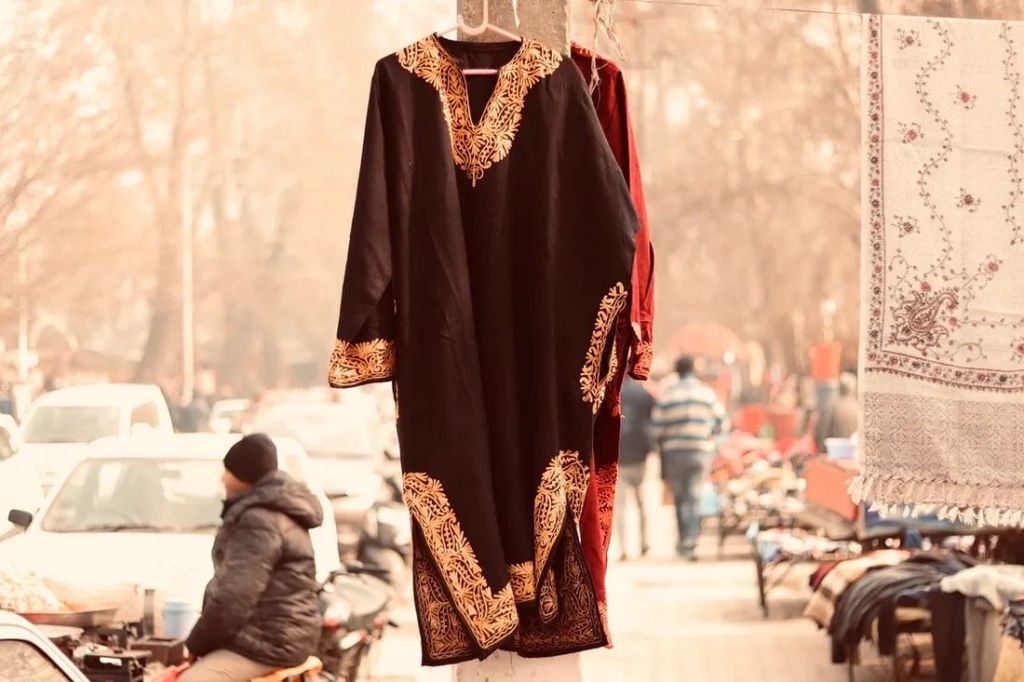
Starting from the end of the Poloview, the market announces itself with an assemblage of mannequins suspended from a branch of a giant Chinar tree, dressed up in likeness of Kashmiri women draped in the traditional shawls and Kameez salwars with shades of pink, yellow and orange and hand knit embroidery along the edges. Set against the backdrop of Chinar tree behind, the scene acquires an artistic stillness, cloth and bark, imitation and life intertwined.
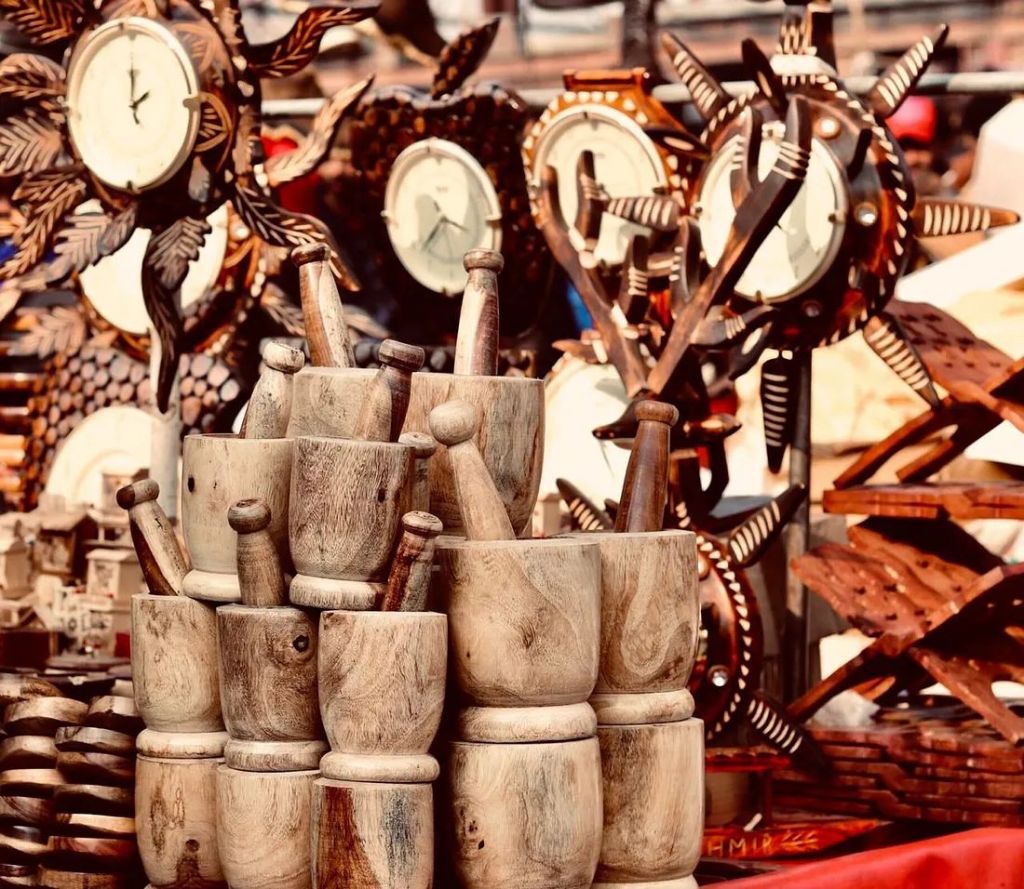
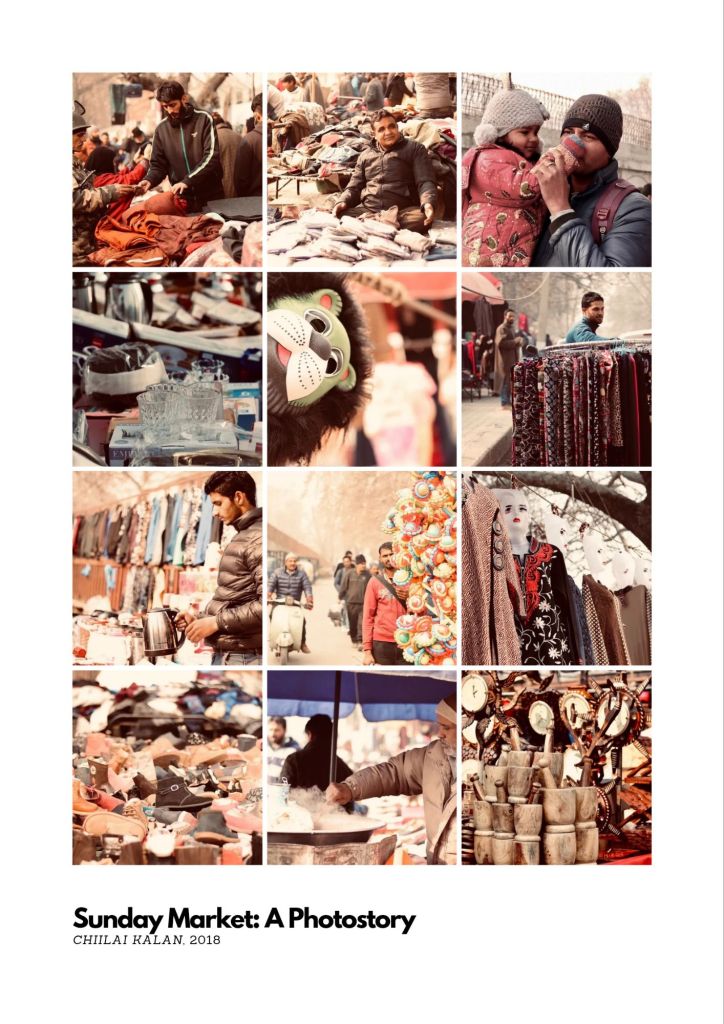
The market extends all the way to the Abdullah bridge spilling goods by both the sides of the road. The blankets of every quality: used, semi used and fresh, besides the flashing pieces of jewellery: real and imitagion. Pantaloons, jackets, coats and mufflers as though travelled from some distant English county. Shoes: oxfords, loafers, moccasins and boots, the curtains of umpteen hues, door rugs, handles, selfie sticks, tamper glasses, screw divers, the art works, hand craft, antique furnishing. The market becomes a cosmos unto itself, too vast and alive to be fully captured by speech or writing. I was glad that I was carrying my camera along. Below is a glimpse into the market, each picture a story in itself.
A Photostory

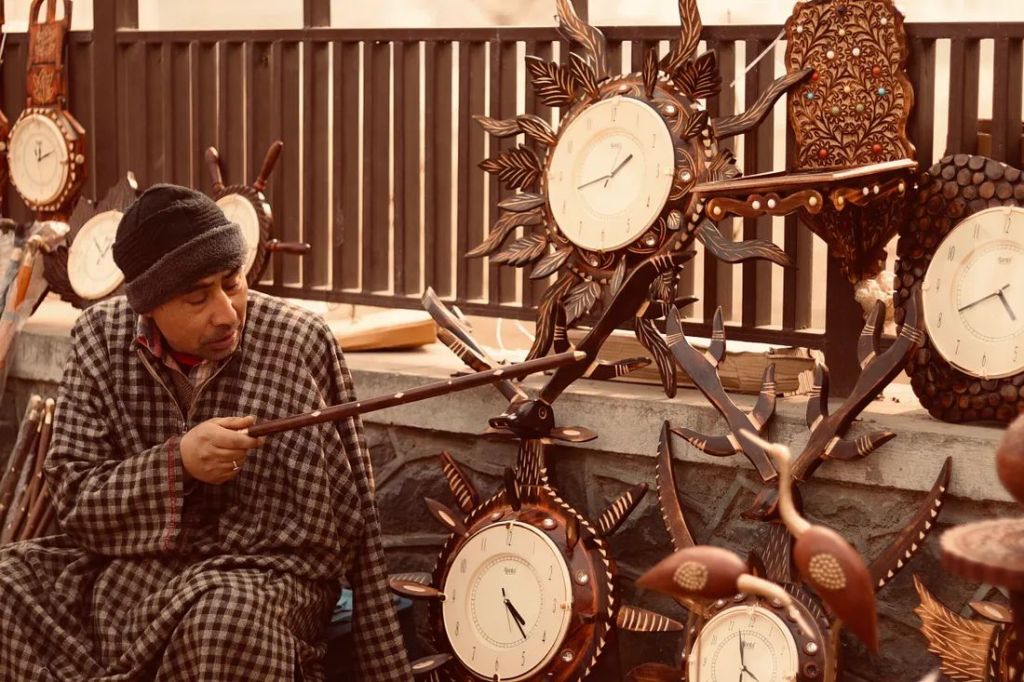
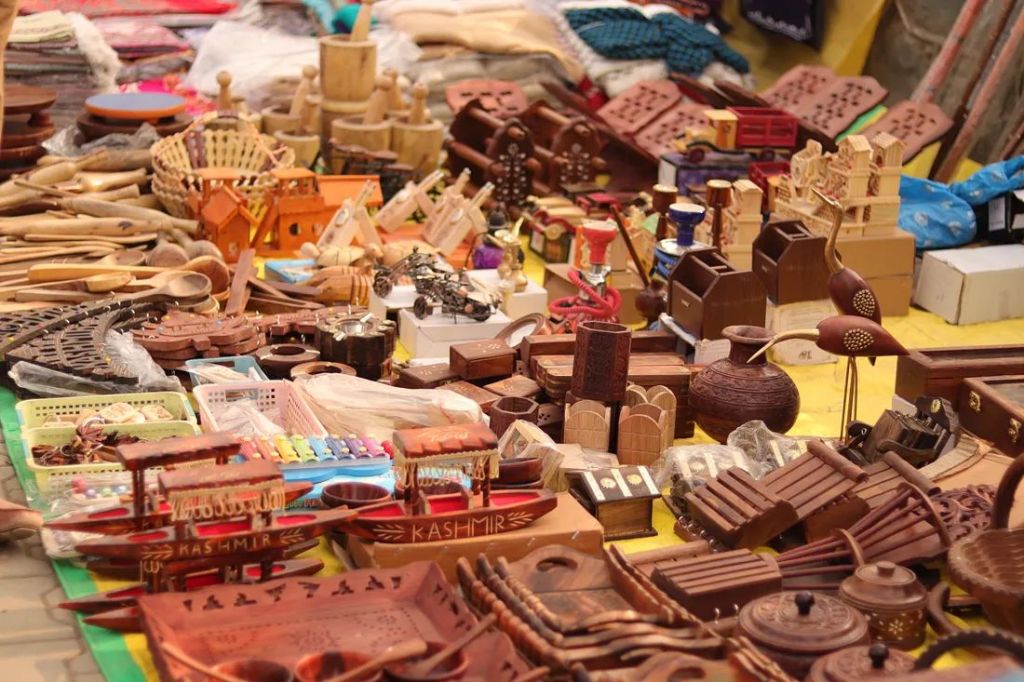
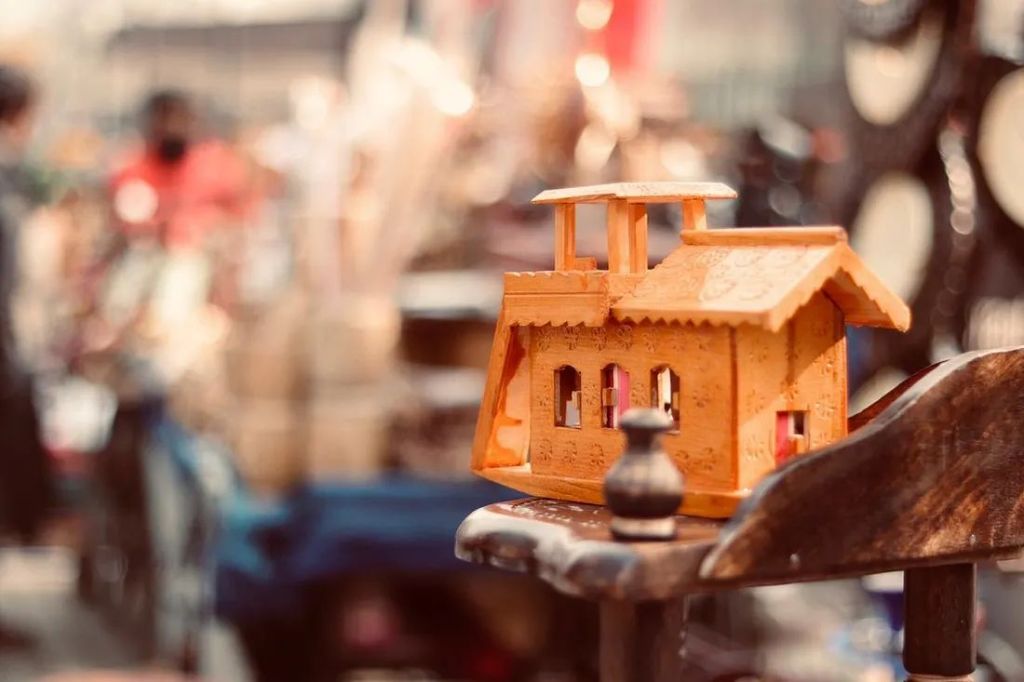
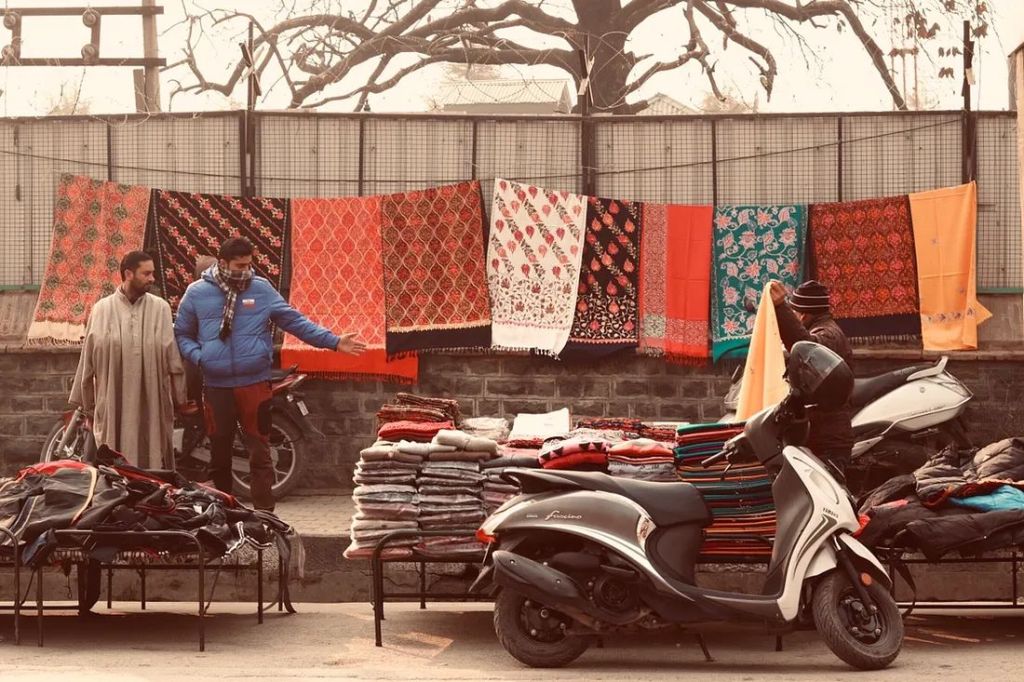
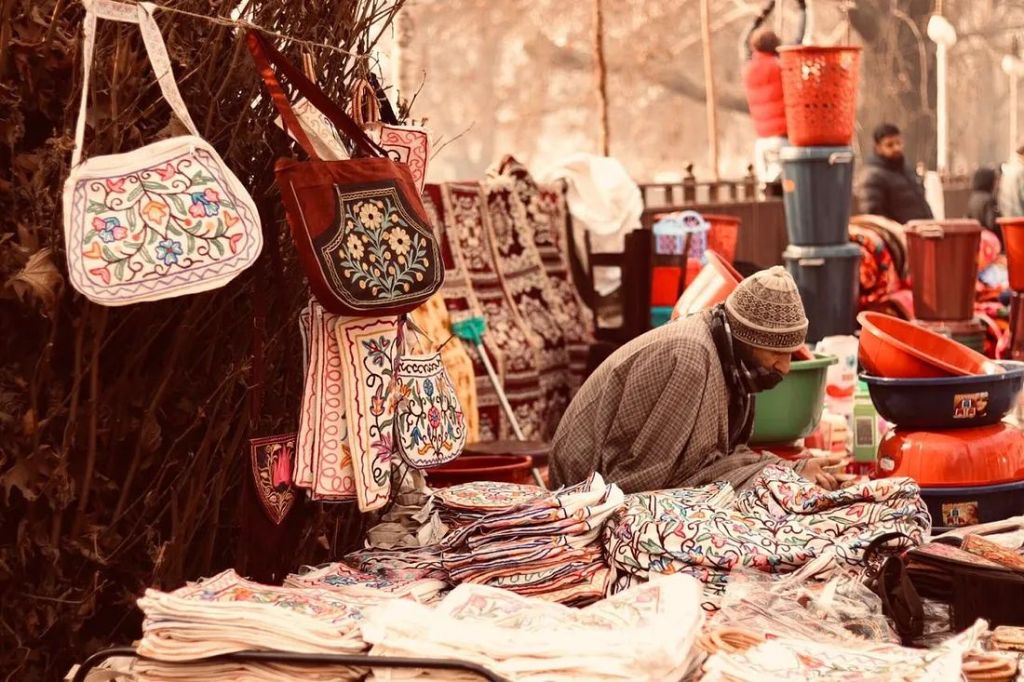
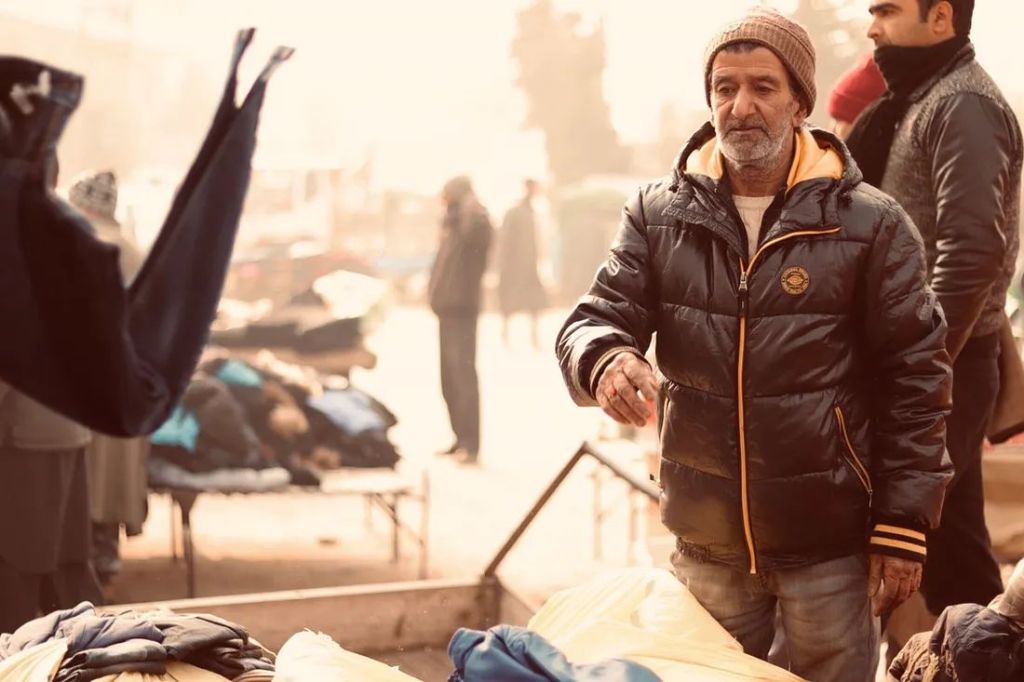
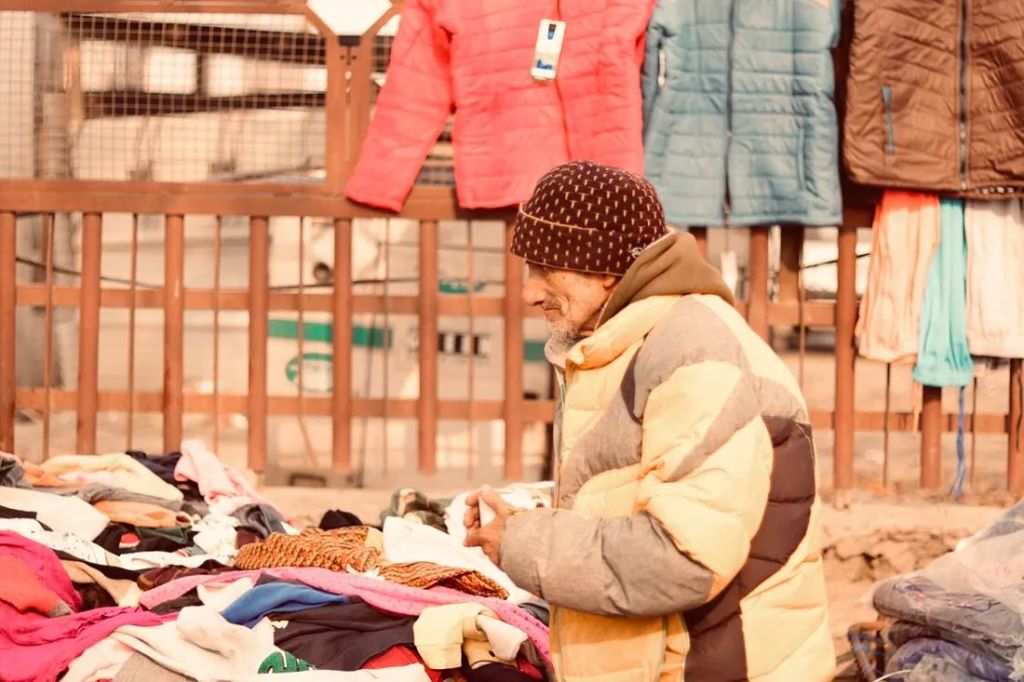
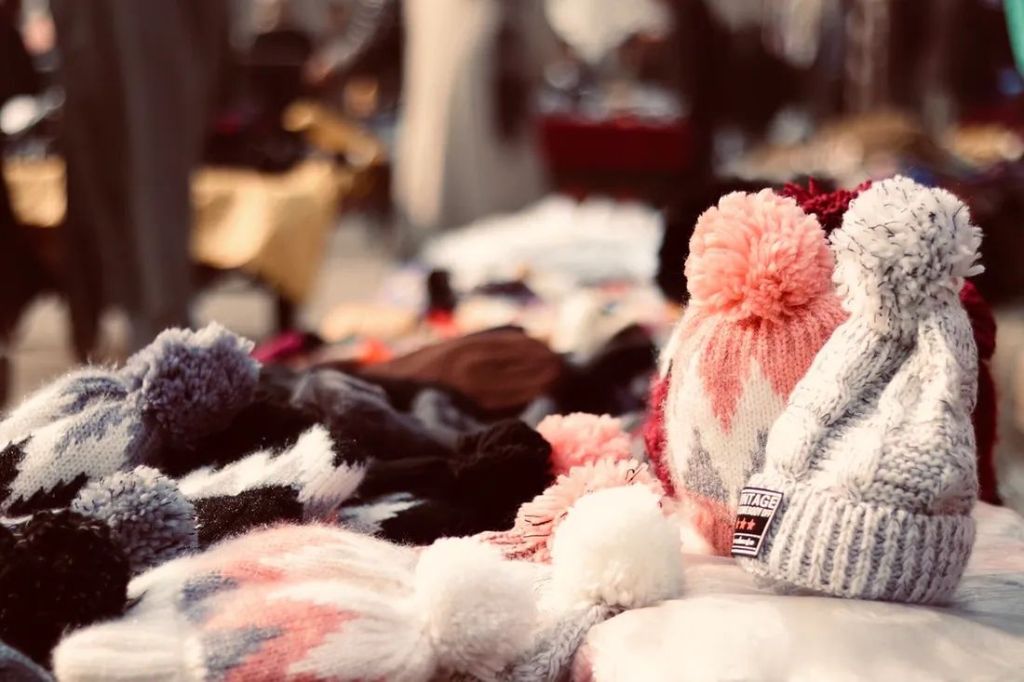
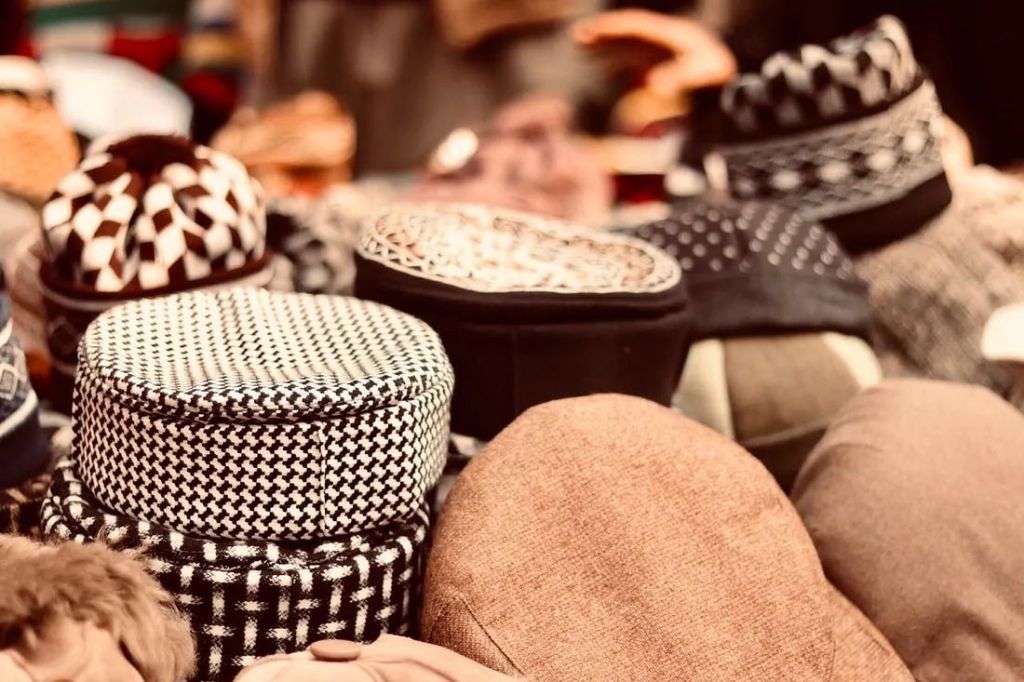
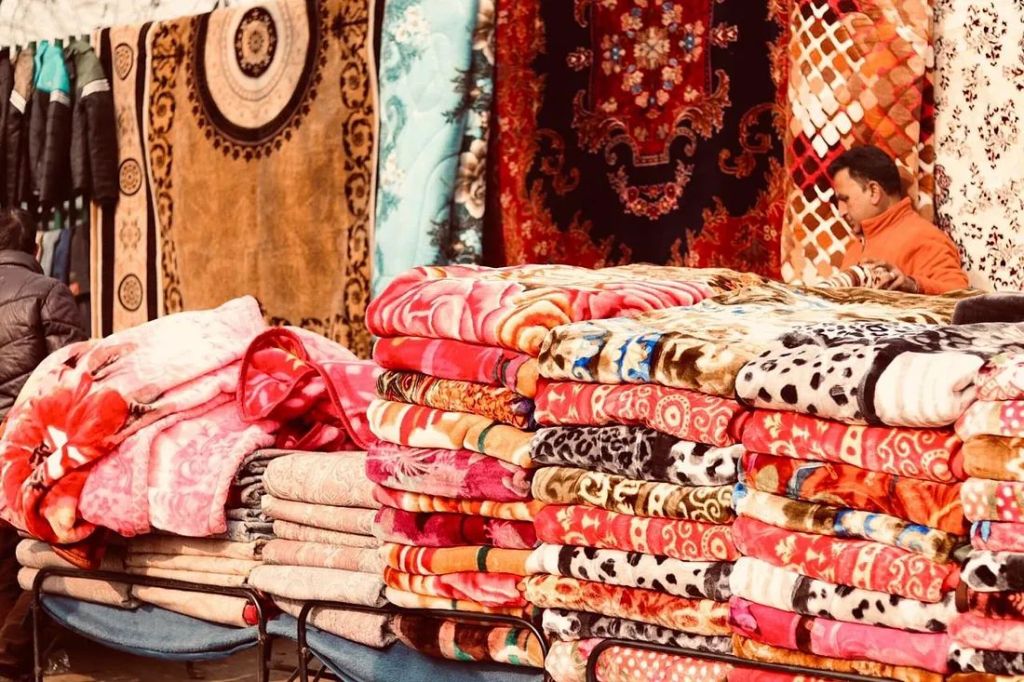
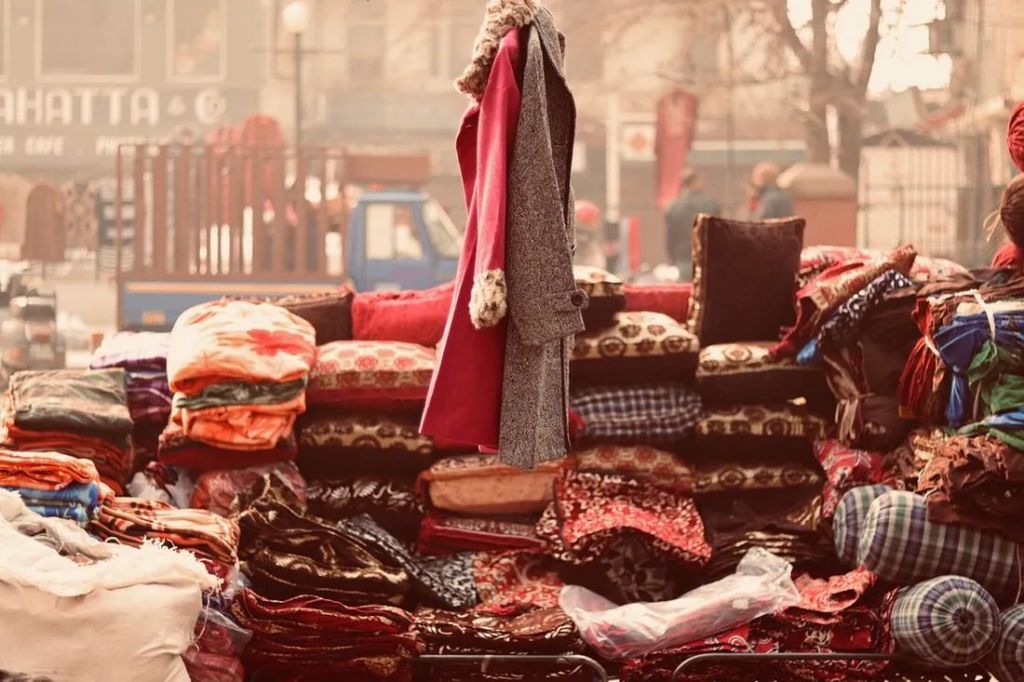
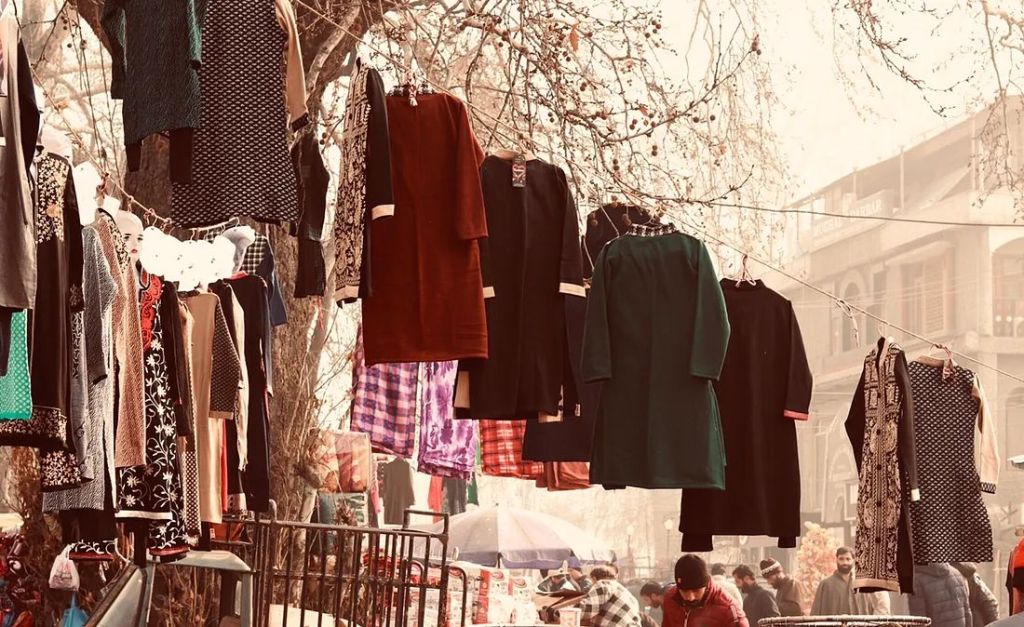
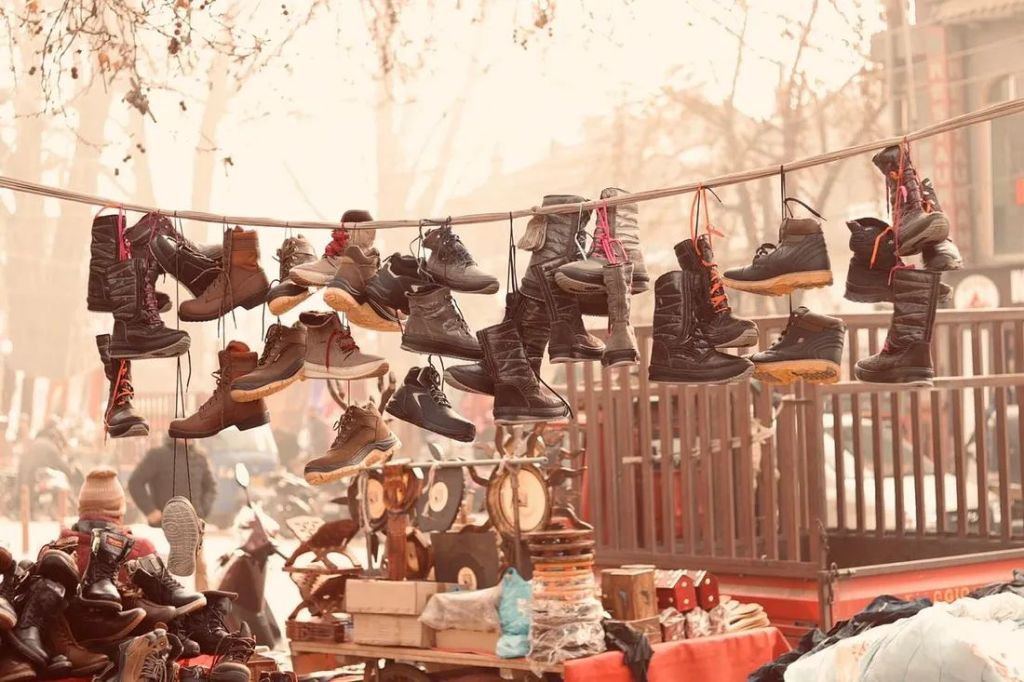
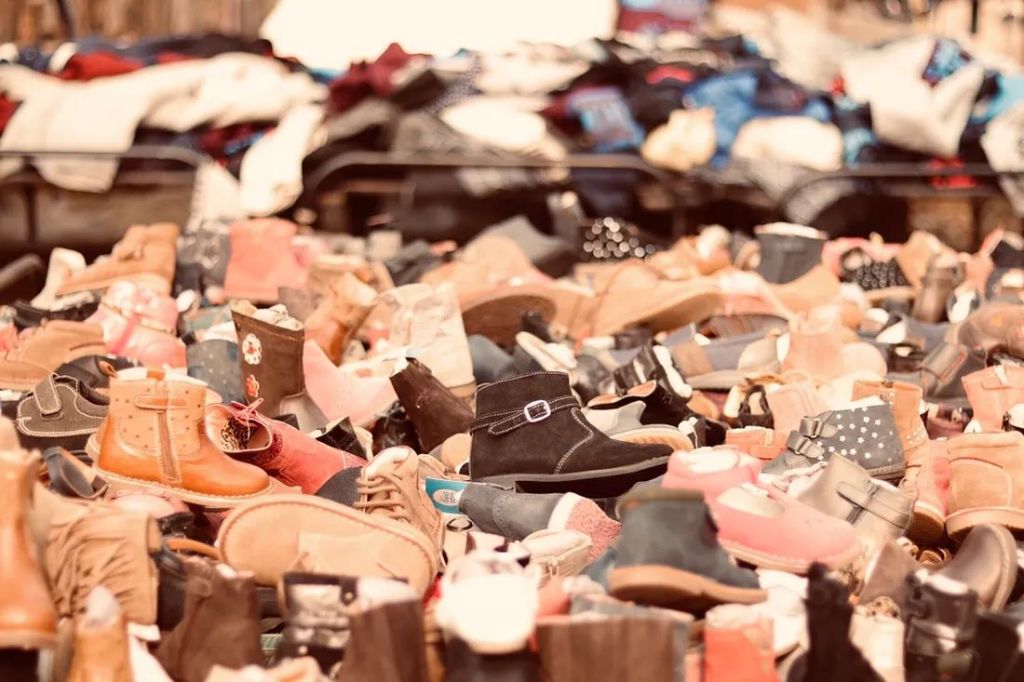
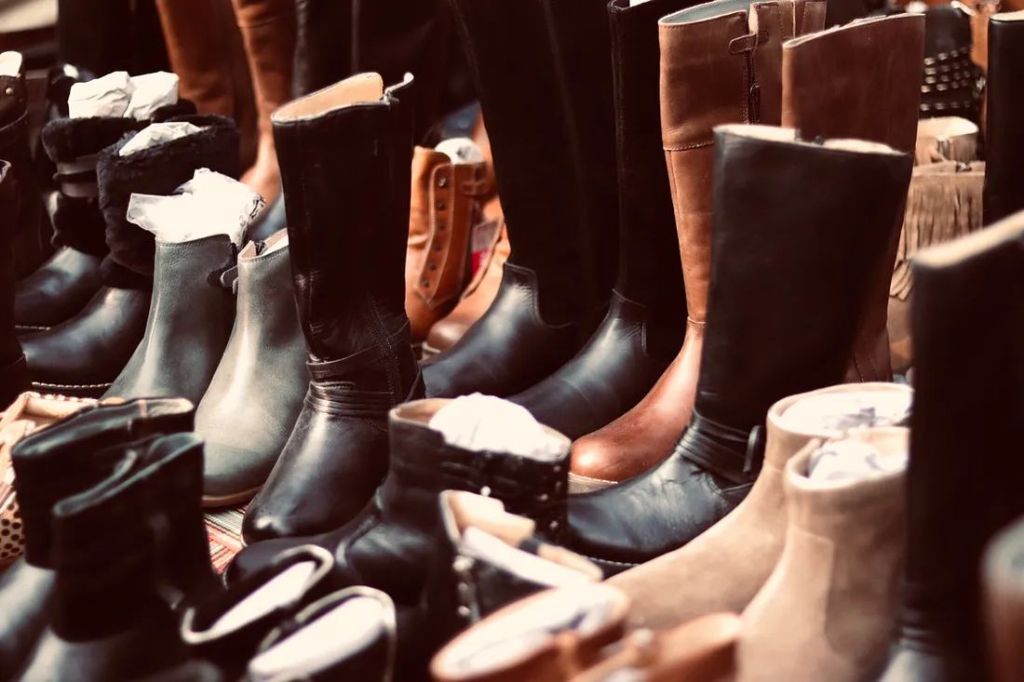
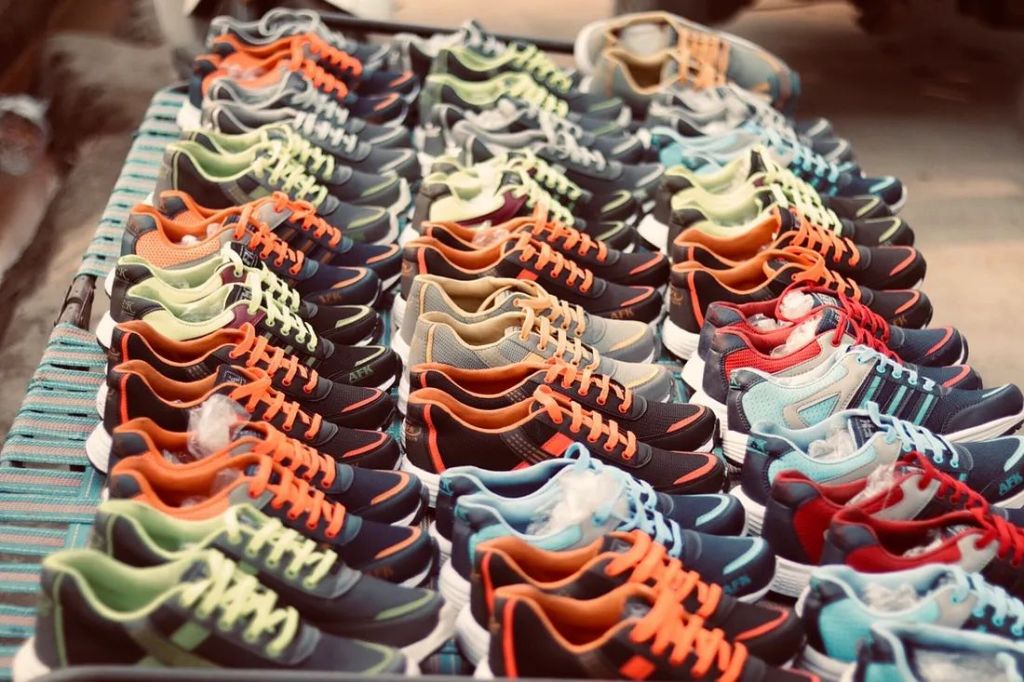
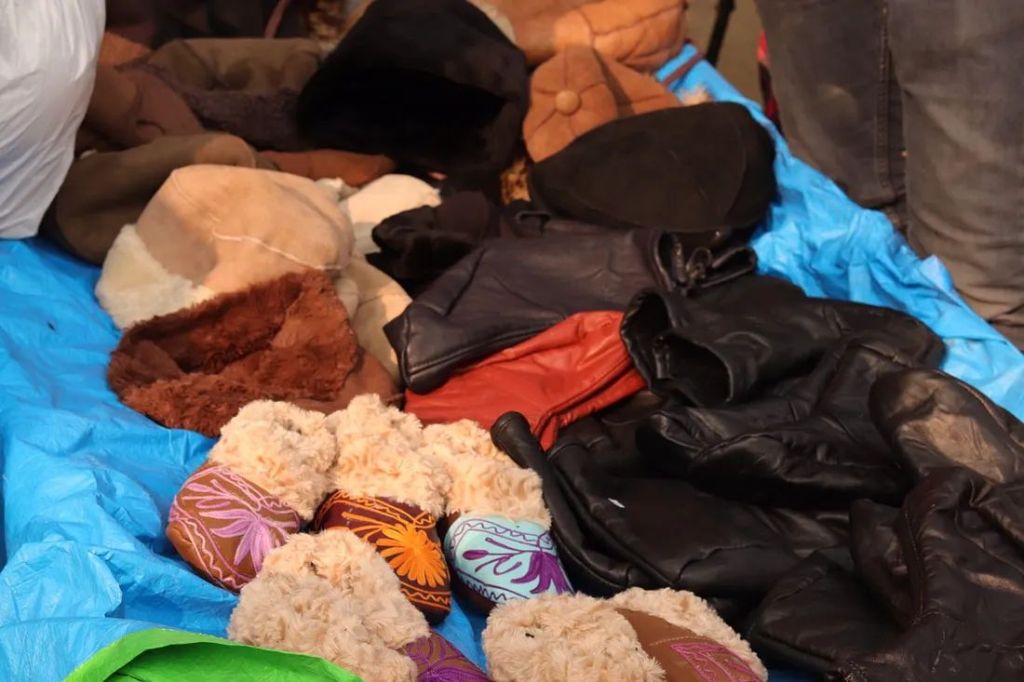
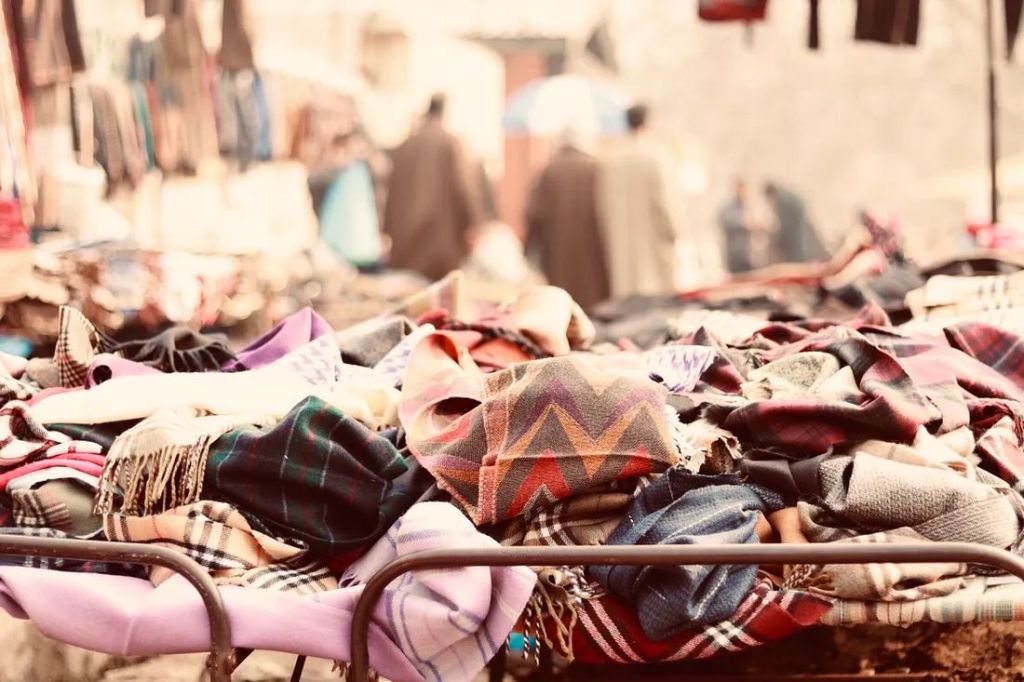
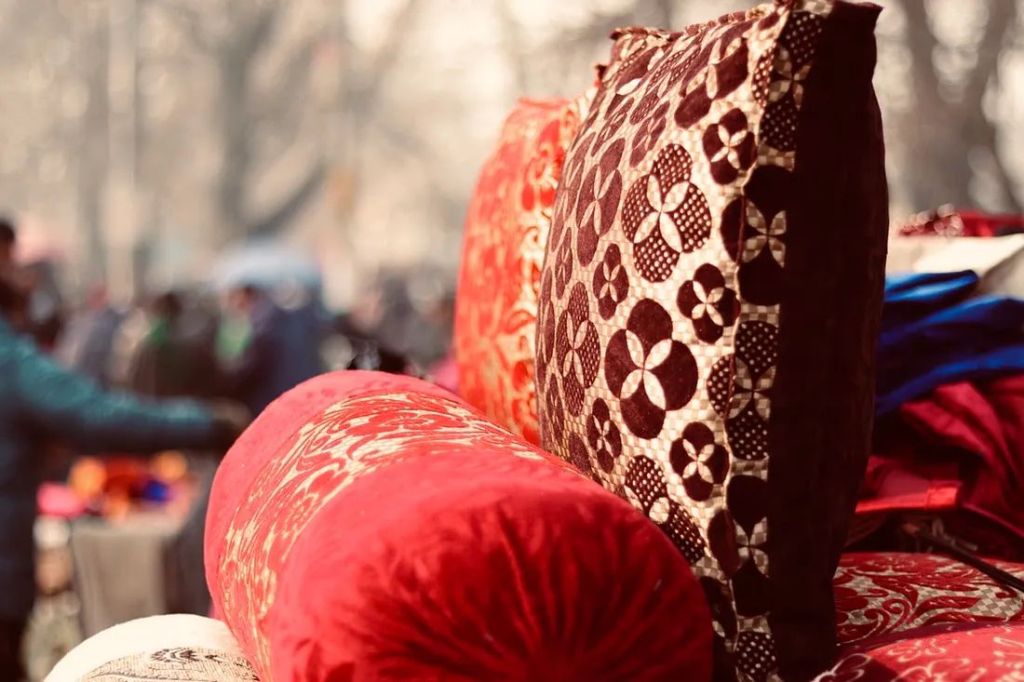
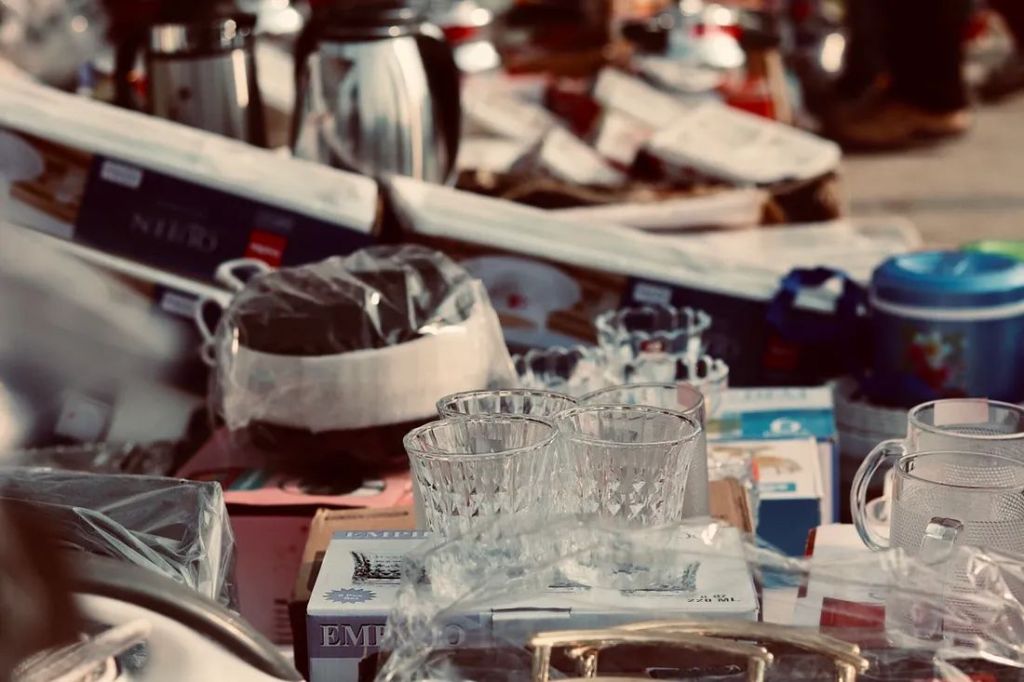
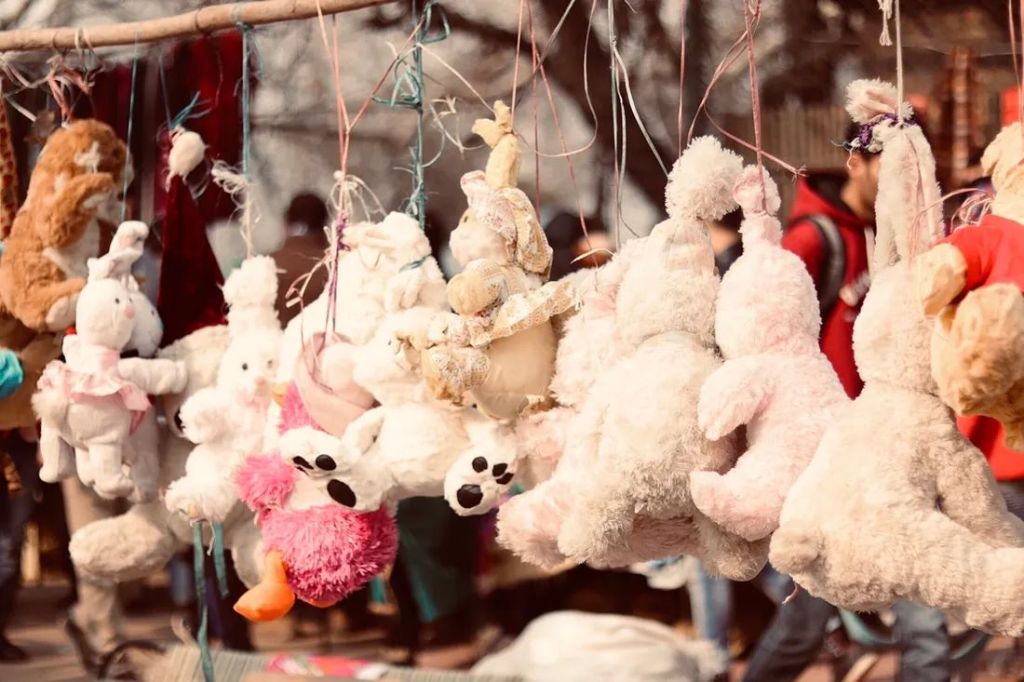


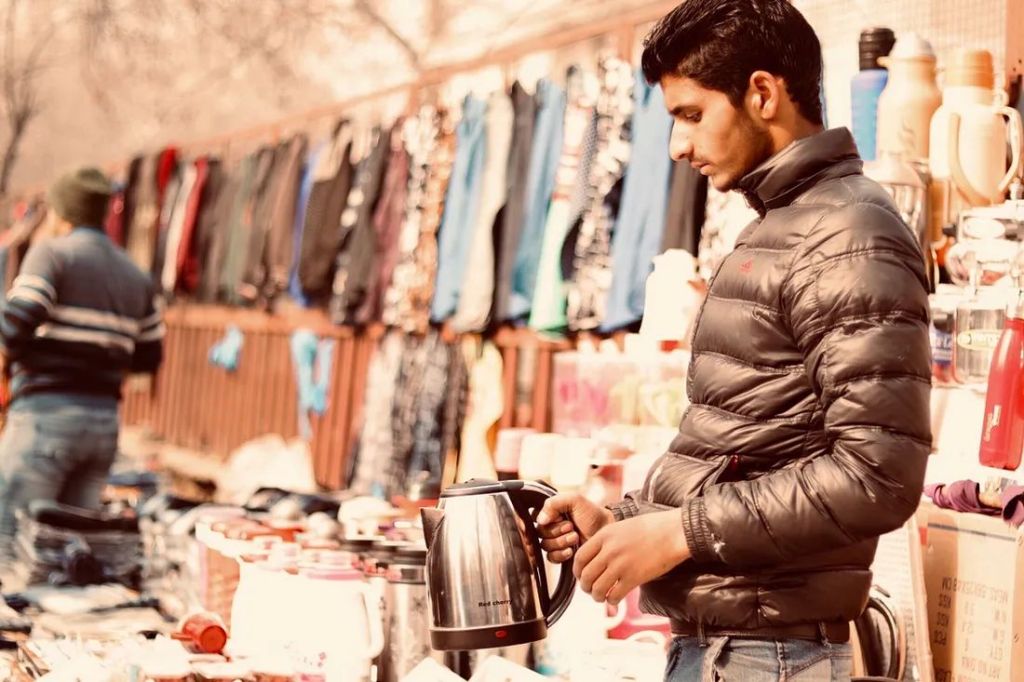
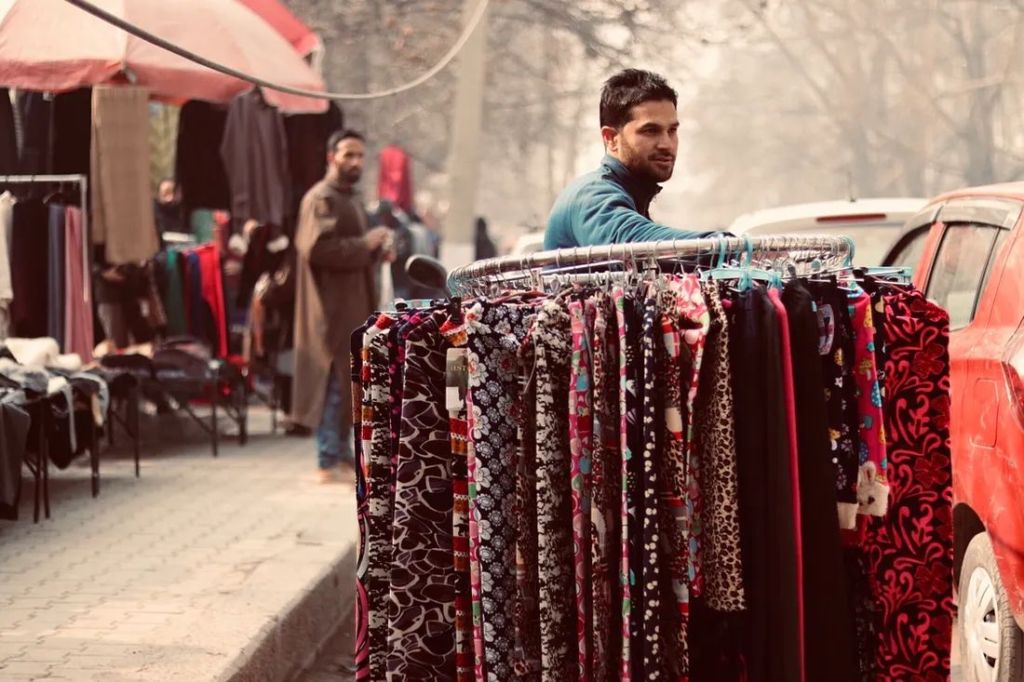
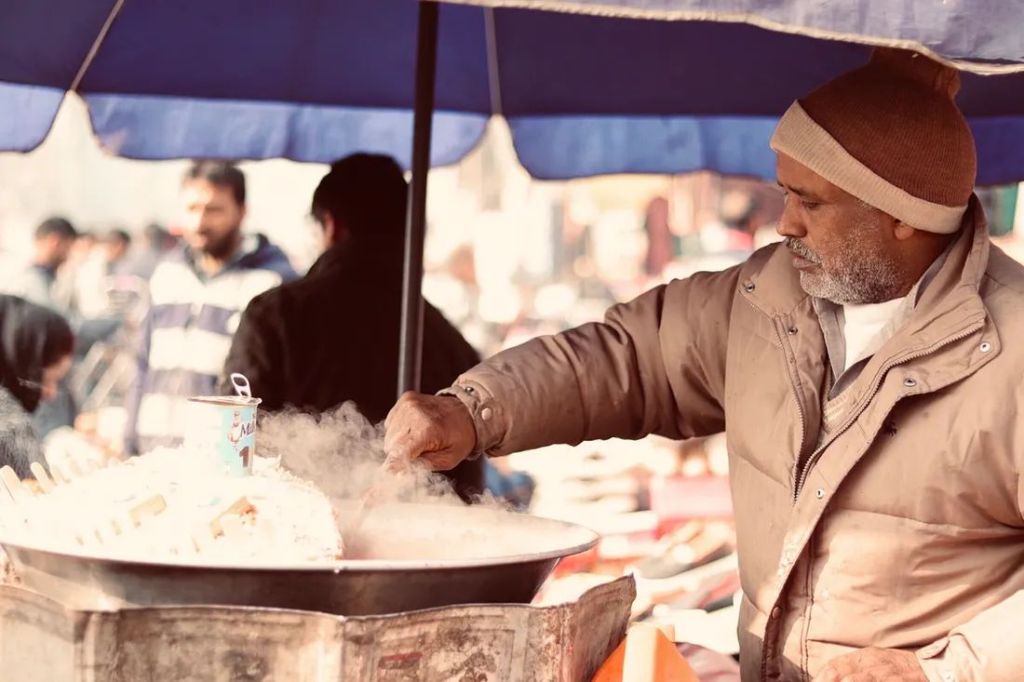
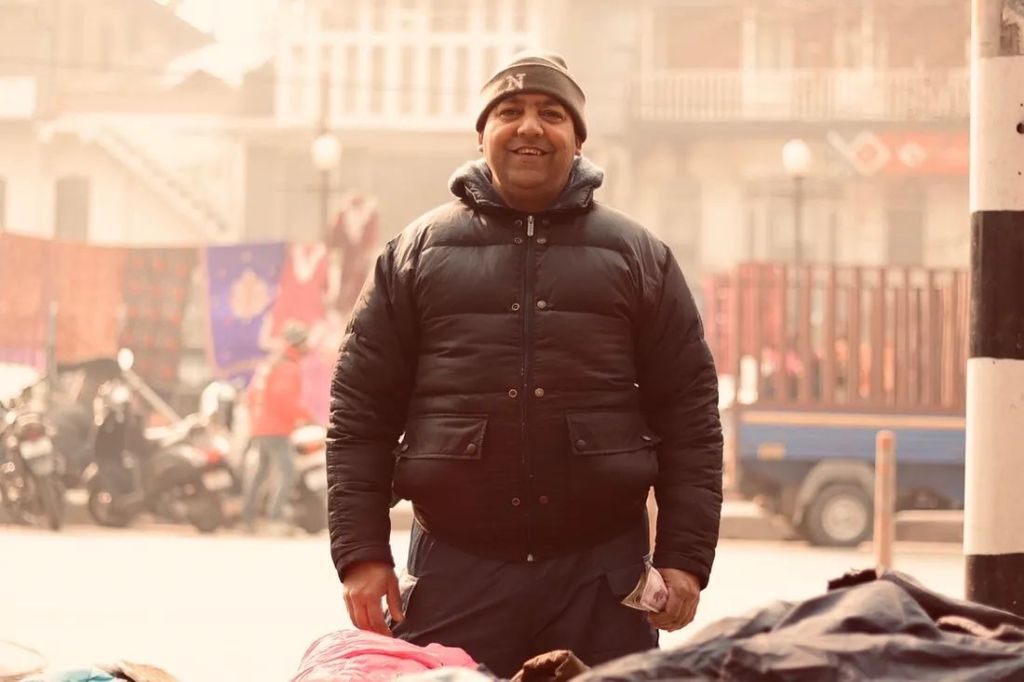
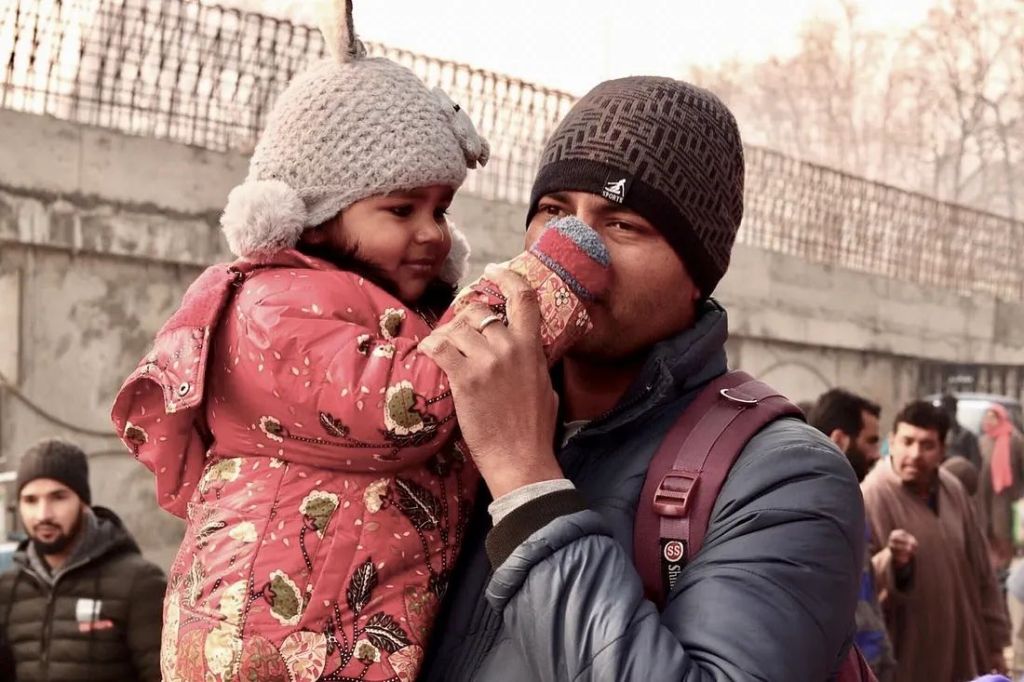
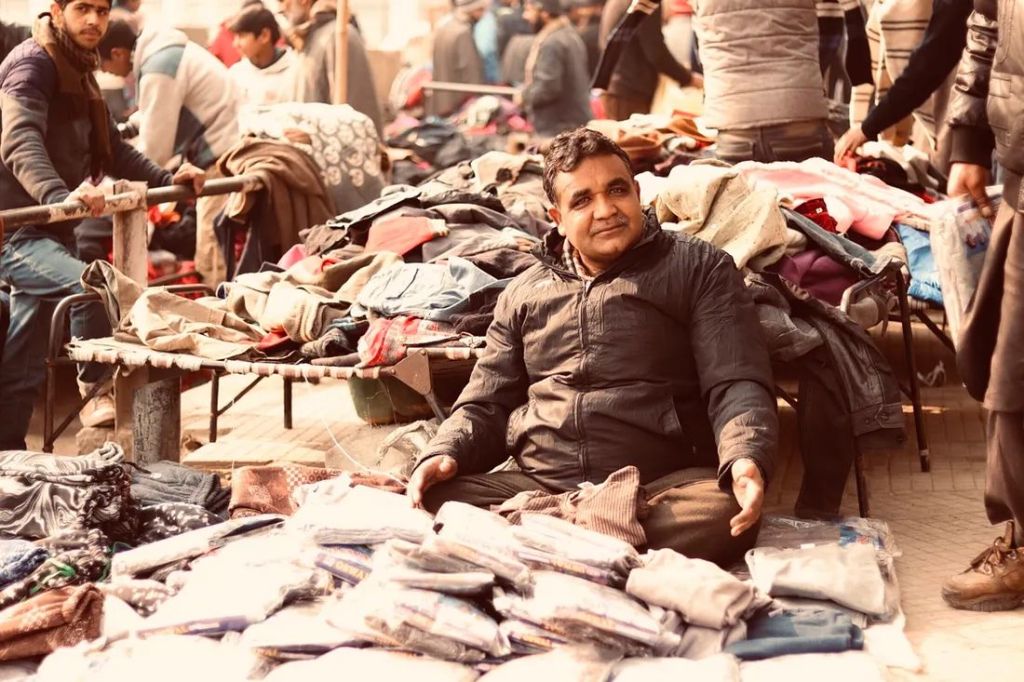
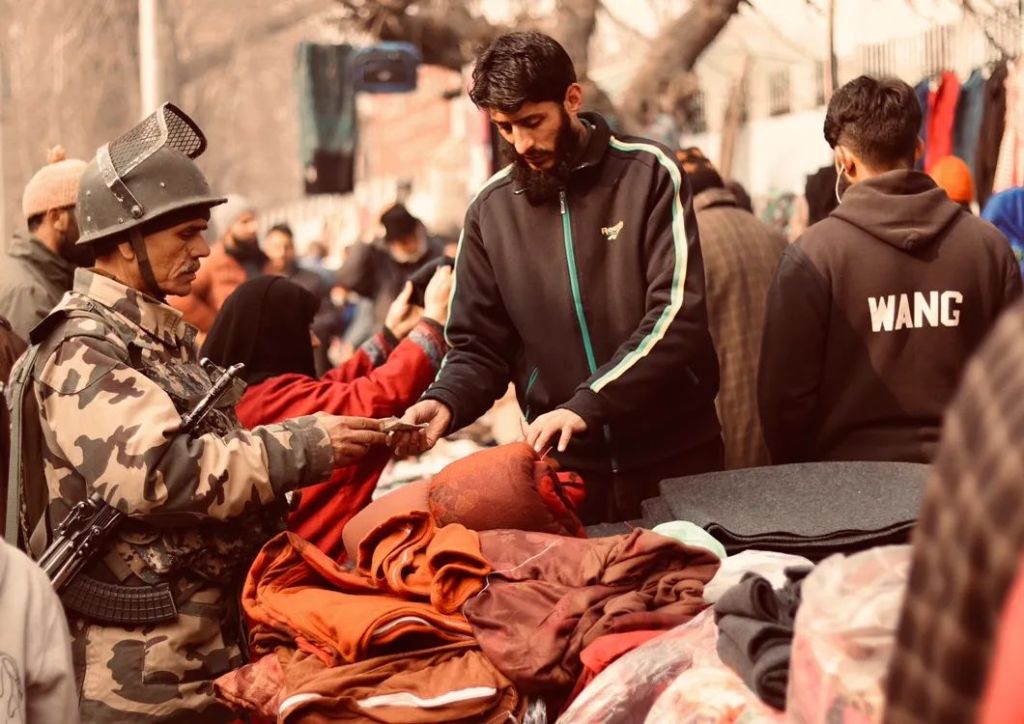
Just a few more steps ahead stood the kiosk of an old man, Gaffar Jan. As I approached him, he shooed me away, perturbed with my ragged shoes and beanie cap and perhaps mistaking me for a wandering hippie or a foreign journalist, figures Gaffar Chache had little patience for. When I greeted him with salaam, he paused, apologised and gestured for me to sit down for a chat.. He had lost his elder son in early nineties and was later abdandoned by family of his daughter. Now he earnt a living by selling toys. The toys suspended by thin strings, swaying gently in air, much like the lives of hundreds of those who painted this forlorn canvas of a flea market into colourful dreams.
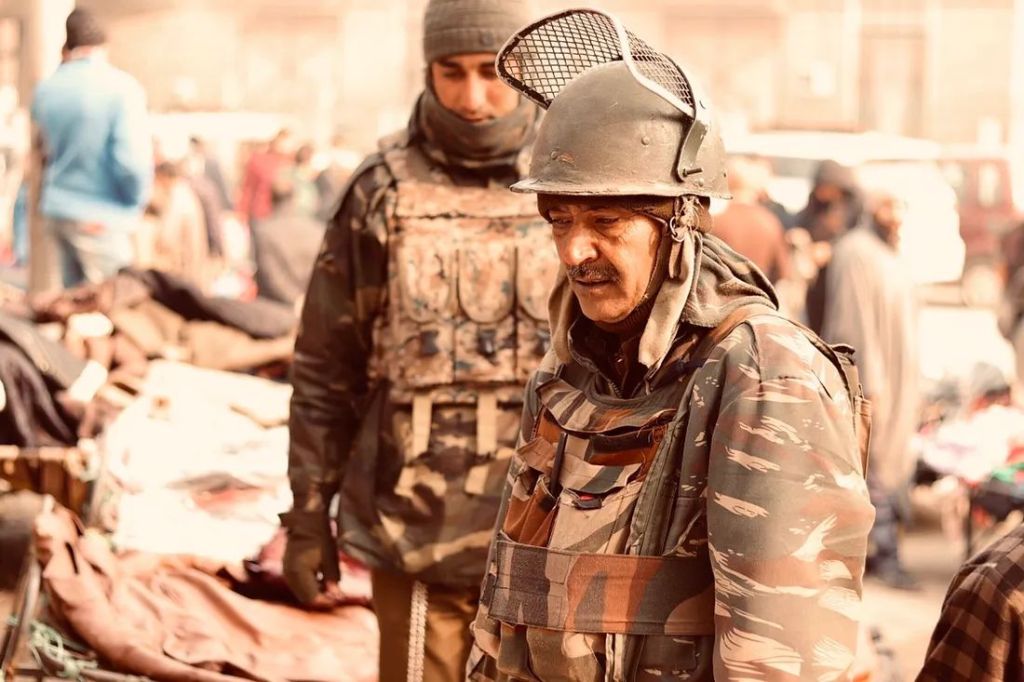
By the time I reached the end of the market, I realised that this place was not merely a theatre of colours and dreams, but also one of endurance and hope. Years of political instability had left society frayed and uncertain, and yet the market stood strong as a quiet refuge for families who had borne the blunt force of instability and learned, day by day, to survive it.
 The K-Blog
Leave a comment